Mothers Day. Mom: A Designer's Take on Real Embroidery Use
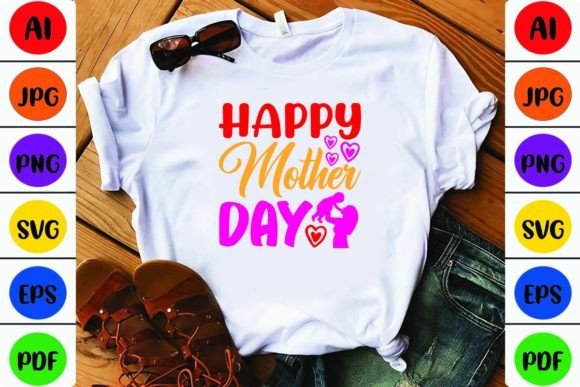
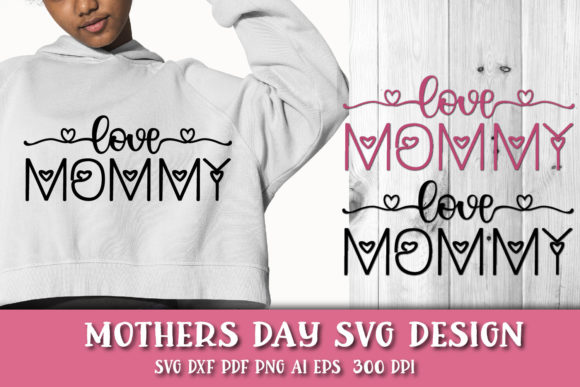
When I first pulled up the Mothers Day. Mom file on my screen, my immediate reaction wasn't about the technical specs, but the mood it projected. As a designer who spends hours staring at vectors before committing them to thread, I look for personality. This design, categorized under Crafts and Graphics, carries a specific weight. It isn't just a generic "Happy Mother's Day" script; it feels grounded. The typography suggests a blend of modern simplicity and traditional warmth, which is a tricky balance to strike. For those of us running a craft business or selling on Etsy, finding a design asset that doesn't scream "clipart" is half the battle won.
The product description notes that this file includes a black color version in high resolution (300 DPI RGB) and comes in AI and SVG formats. While these are vector and raster specifications meant for digital printing or cutting machines, my mind immediately jumps to how this translates into a machine embroidery design. If you are planning to digitize this yourself or use it as a template for a custom embroidery project, the clean lines of the SVG are a promising starting point. However, the transition from a flat graphic to a stitched finished product requires a critical eye.
Visualizing the Stitch-Out: From Screen to Fabric
Let's talk about a real-world scenario. Imagine a client approaches you for a last-minute personalized gift. They want a high-quality tote bag for a new mom. You fire up Mothers Day. Mom. The layout is compact, which is excellent for placement on a tote bag pocket or the chest of a sweatshirt. The visual personality here is key; it's bold enough to be read from a distance but refined enough not to look clumsy on a smaller scale.
When considering the stitch density for a project like this, the solid black nature of the source file suggests that if you were to fill this in with thread, you'd need to be mindful of saturation. A heavy fill stitch across the entire word "Mom" could make the fabric stiff, especially on lighter materials like cotton tea towels or baby onesies. In my experience, adapting a graphic like this for embroidery often means converting solid areas into strategic satin stitch borders or using a lighter density fill to maintain the drape of the fabric. If you are creating an embroidered patch, however, that density becomes an asset, providing the sturdy backing needed for a premium feel.
The shape of the letters matters immensely for stitching clarity. Sharp corners in typography can be nightmares for embroidery machines if not properly programmed with tie-offs and underlay. Since this is provided as a graphic file, the responsibility falls on the digitizer to ensure those internal corners don't bunch up. For a small shop product, consistency is everything. If the "o" in "Mom" pulls in too tight, the whole design loses its professional polish.
Best Applications for Custom Apparel and Home Decor
Where does Mothers Day. Mom truly shine? I see it working beautifully on custom apparel intended for gifting. Think about a matching set of shirts for a family photo shoot or a cozy sweatshirt embroidery piece for a grandmother. The design's simplicity allows it to sit comfortably on textured fabrics like French terry or fleece without getting lost.
For holiday embroidery projects leading up to May, this design is versatile. It fits naturally on aprons for the kitchen enthusiast or pillow covers for nursery decor. When working on baby embroidery, caution is advised regarding the size. Ensure the hoop size you select allows for enough clearance around the design so the frame doesn't crush the stitches, particularly if you are working with stretchy knits. Using the proper stabilizer is non-negotiable here; a cut-away stabilizer would be my go-to for garments that need to withstand frequent washing, ensuring the design doesn't pucker over time.
If you are an Etsy seller looking to expand your printable mockup library, this graphic is gold. Even before a single needle hits the fabric, you can create compelling previews. The high-resolution black file allows for crisp compositing onto various backgrounds, helping customers visualize the handmade product before they buy. This builds trust and increases buyer engagement, as shoppers can clearly see the potential of the final item.
Navigating Technical Challenges and Fabric Choices
No design is without its challenges, and practical judgment is required when deploying Mothers Day. Mom on difficult surfaces. Curved surfaces, like caps or hats, require careful hooping. The text layout seems relatively straight, which is good, but placing it on a structured cap front panel demands precision. If the baseline isn't perfectly aligned with the curve of the hat, the design will look distorted once stitched.
Dark fabrics present another consideration. Since the source file is black, you cannot simply print it onto a dark shirt and expect visibility. In an embroidery context, this means your choice of thread colors becomes the defining feature. You will need high-contrast threads—whites, creams, golds, or vibrant pastels—to make the design pop against navy, black, or charcoal garments. Always test your thread contrast on scrap fabric first. What looks good on the screen might vanish into the background of a dark heather grey sweatshirt.
Furthermore, tiny details can get lost. If the design includes any delicate serifs or thin connecting lines, verify that your machine can handle them at your intended size. Scaling a design down too much for a small embroidered patch or a cuff label might result in broken stitches or thread breaks. It is always wise to stitch a test sample on a similar fabric texture to what you plan to sell. This step saves you from wasting expensive blanks and protects your reputation for quality.
Commercial Viability and Brand Consistency
For the commercial embroidery professional, the value of a design lies in its repeatability and reliability. Mothers Day. Mom offers a clean aesthetic that aligns well with boutique branding. It doesn't look cheap; it looks intentional. This perception directly impacts product value. Customers are willing to pay more for a personalized gift that looks like it was crafted by a pro rather than mass-produced.
However, a crucial reminder for all creative entrepreneurs: always check the licensing terms before selling. The product description mentions the file formats (AI, SVG) and resolution, but it does not explicitly detail the commercial license scope for the digitized embroidery version. If you plan to sell the digital embroidery file itself or finished goods featuring this design, confirm that the creator allows for commercial use. Protecting your craft business means respecting intellectual property and ensuring you have the right to profit from the assets you use.
In conclusion, Mothers Day. Mom is a strong contender for your spring inventory. Its strength lies in its adaptability and clear visual message. Whether you are digitizing it for a complex jacket back or keeping it simple for a kitchen towel, the design holds up well under scrutiny. Just remember to respect the limitations of the medium, choose your materials wisely, and always prioritize the tactile quality of the final stitch. That attention to detail is what turns a simple graphic into a cherished heirloom.